It's a common assumption that a home-built NAS beats cloud storage when it comes to storage pricing, even when it's easy to point to Backblaze's $6 per TB-month rate and say, "Just use the cloud; hardware is a sunk cost." That statement will often be supported by the need for a 3-2-1 backup strategy , where an off-site backup is crucial in the event of catastrophic data loss. On the one hand, it can be perfectly correct to assert that a cheap cloud-based provider is a more cost-effective strategy for long-term storage; that's only half the story. On the other hand, a NAS can work out to be more expensive in the long run, even if it's worth it.
You see, when you unpack the costs of hardware over five years, electricity rates, and the "hidden" costs of replacing drives in order to keep data on the premises, it's not quite the case that a NAS might be saving you as much money as you might initially believe. There are obviously benefits to building a home server for storing a lot of data, but unless it's going to be used to self-host free alternatives to paid-for software, storage costs alone may dictate that it's a lot more money than you'd initially expect.
Before getting into it, I want to be clear that I'm not here to argue that you should go straight to a cloud storage provider with your data and forget about a NAS. However, it's the true cost of a NAS I want to highlight, along with some tips on how to get the most out of your investment so that it's not just merely a storage medium and nothing else.
Breaking down cost myths when it comes to a NAS
If all you want to do is store data, a NAS is an inefficient investment
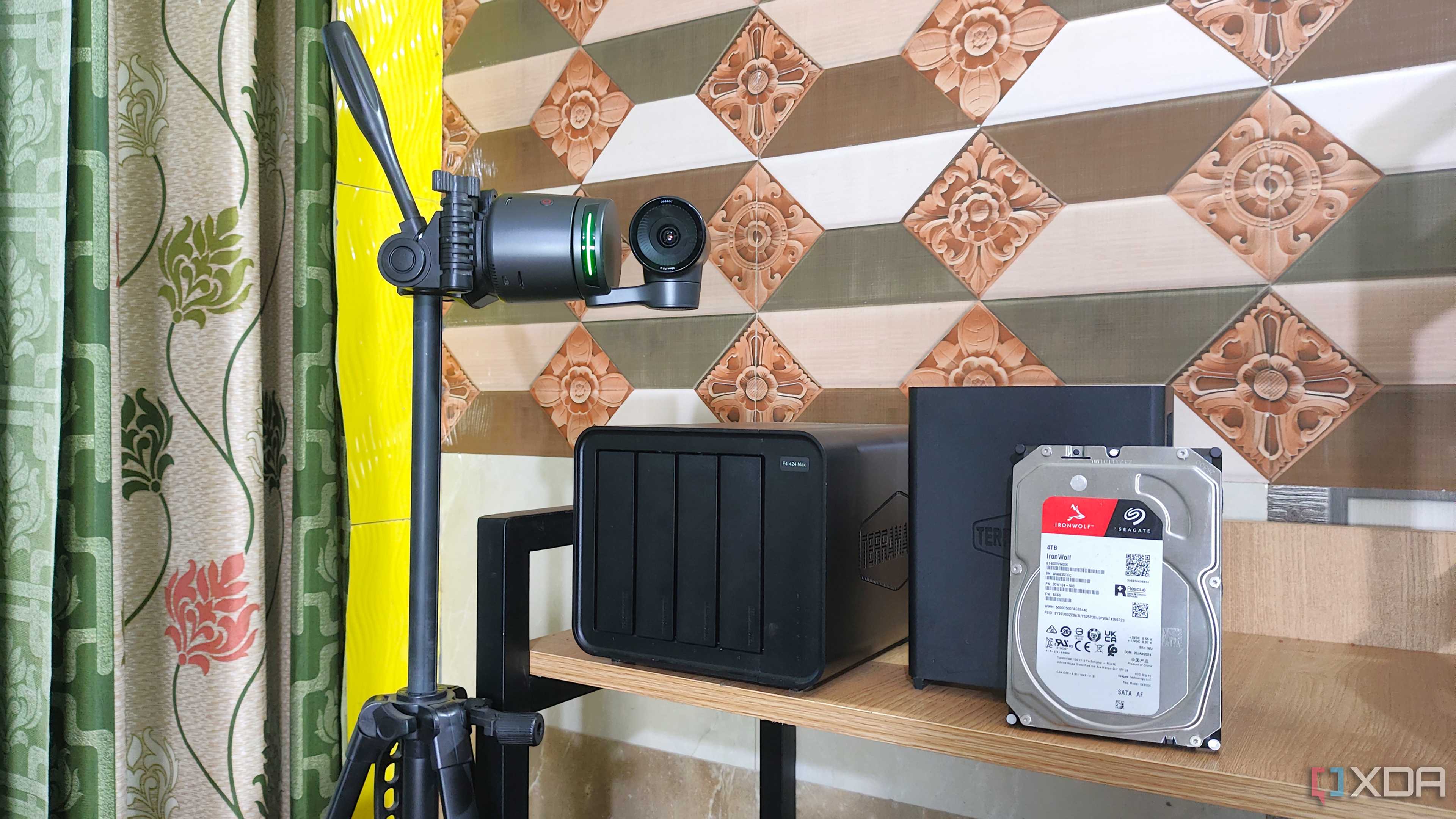
First, we'll break down the raw costs of your NAS, assuming that it runs for five years, and we'll also assume that it's a pre-built NAS. For our calculations, we'll go with the Synology DS423+, as it's a frequently recommended NAS and comes in at a rather reasonable $510. It's a decently specced NAS that could replace some of your other services that you also pay for, and those concerned about the cost of storage will likely be the kind of person looking to save money in the long run with a NAS, too.
Next, we'll assume that the user is using four WD Red Plus 8TB HDDs in RAID 5, for a total usable capacity of 24 TB. HDDs come in all manner of shapes and sizes, but they all cost roughly the same when it comes to price per gigabyte, assuming total feature parity as well. Finally, we are also using the U.S. national average price per kWh for our electricity calculations, which at the time of writing, is 16.44 cents according to the U.S. Energy Information Administration. These calculations will widely differ depending on the country, or even the U.S. state, that you live in.
We'll focus on comparing to Backblaze B2, as the cost of that particular service is one of the most competitive in the space and frequently recommended across the internet as a cheap, safe, and efficient way to store long-term data.
As you can see from the above table, the price per terabyte is lower than the price per terabyte using a service like Backblaze B2 , at about $1.30 a month when factoring in all costs. Sure, electricity costs can be decreased somewhat, as that particular NAS does idle at a much lower wattage, but your NAS also won't be idling all the time. Plus, electricity isn't really the bulk of the costs either, and won't make much of a dent in that figure. In other words, you save $0.70 a month so that you can manage all of your own infrastructure, and that doesn't include any costs associated with an off-site backup either.
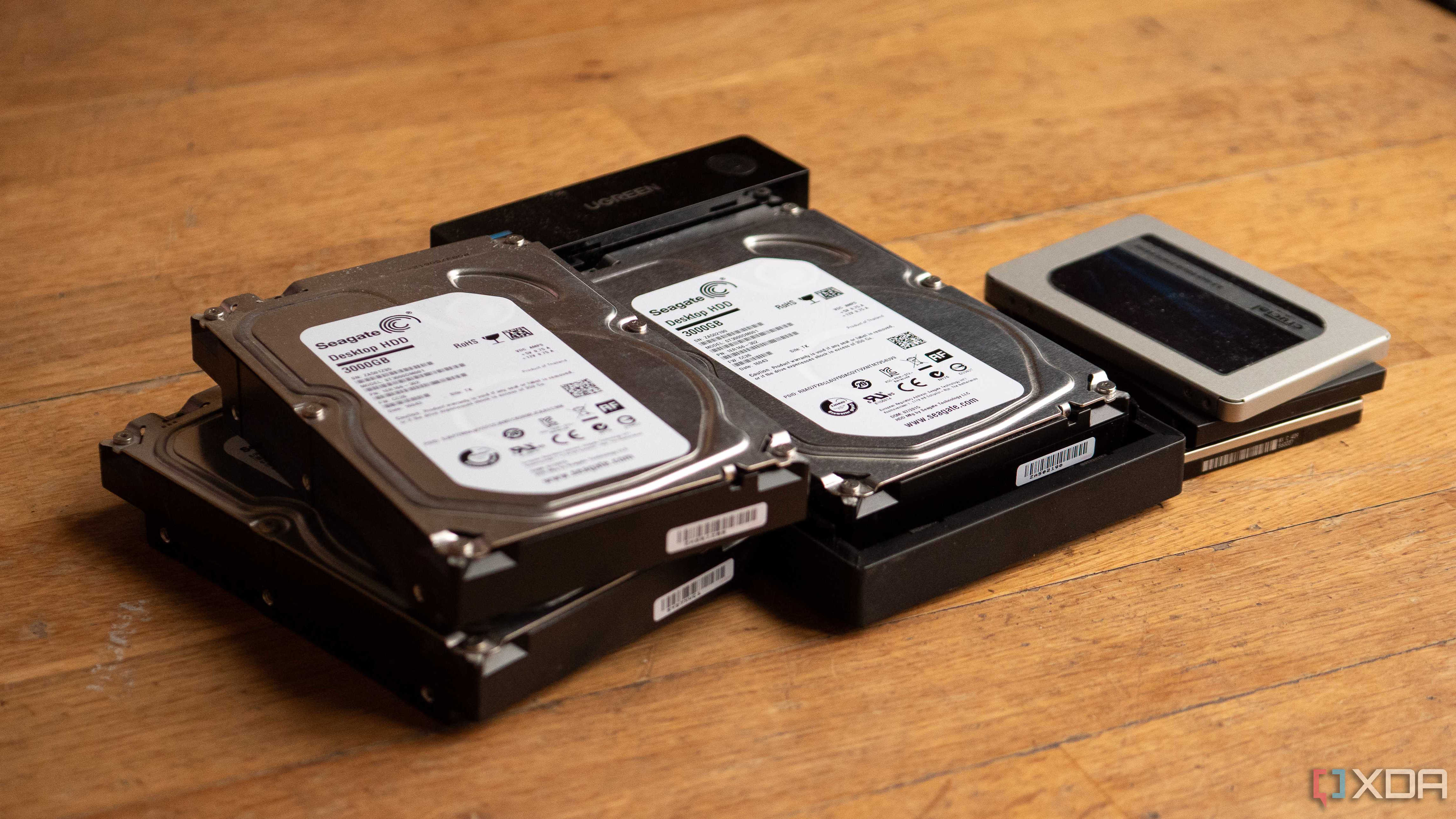
When you control your own storage, the cost of the hardware is very seldom factored into the equation in many discussions I've seen online. It's all too frequent that I see people shrug off the sticker price of Backblaze's B2 storage, when the price per terabyte of a few drives is significantly lower than the $2 Backblaze B2 offers. Yet factoring in all other costs brings this to a significantly higher price per month, and specifically focusing on the price per terabyte per month is misleading, given that you can't just pay for the storage like you can with any cloud provider.
Even if we decrease the storage significantly, the pricing even on a price per terabyte basis comes in at $3.53 per terabyte. At higher storage capacities you can make an arugment that the price per terabyte justifies it given that the cost per terabyte does work out to be lower if you intend to use all of that storage, but if you don't, then you're paying more for a worse deal than you'd get from most cloud providers.
As well, there are some calculations that I've left out that could also set increase your costs. An HDD could die in less than five years, necessitating a replacement, and it would be wise to invest in a UPS as well to protect your NAS from power surges or sudden shutdowns. Plus, your time investment will be significantly higher than just using a cloud storage provider.
With that said, I'm not suggesting a NAS is a bad deal at all. In fact, there are other reasons to either build your own or purchase a prebuilt. However, saving money on storage is not something a NAS typically offers. It's what you do with the storage that can.
When can a NAS save you money?
It can be a worthwhile investment
Most NAS devices can play host to your Docker containers, and there are countless containers out there that offer a service that you may have previously paid for. For example, a self-hosted Nextcloud instance could replace your Google Drive storage, and an Overleaf instance with all of its features could replace an Overleaf subscription that you previously had on the site. If you also have a large media collection, a self-hosted Jellyfin or Plex server could replace your Netflix subscription, too.
As an example of this, in my case, I have most of The Simpsons on boxsets that I ripped from DVDs and stored on multiple HDDs over the last decade, amongst a lot of other movies and TV shows. I had previously paid for a Disney+ subscription to simplify the streaming process of The Simpsons on my devices, but I could simply copy those files over and cut out a Disney+ subscription from my budget. This has happened with a few services for me, and even a self-hosted Obsidian LiveSync can save you money on an Obsidian Sync subscription, too.
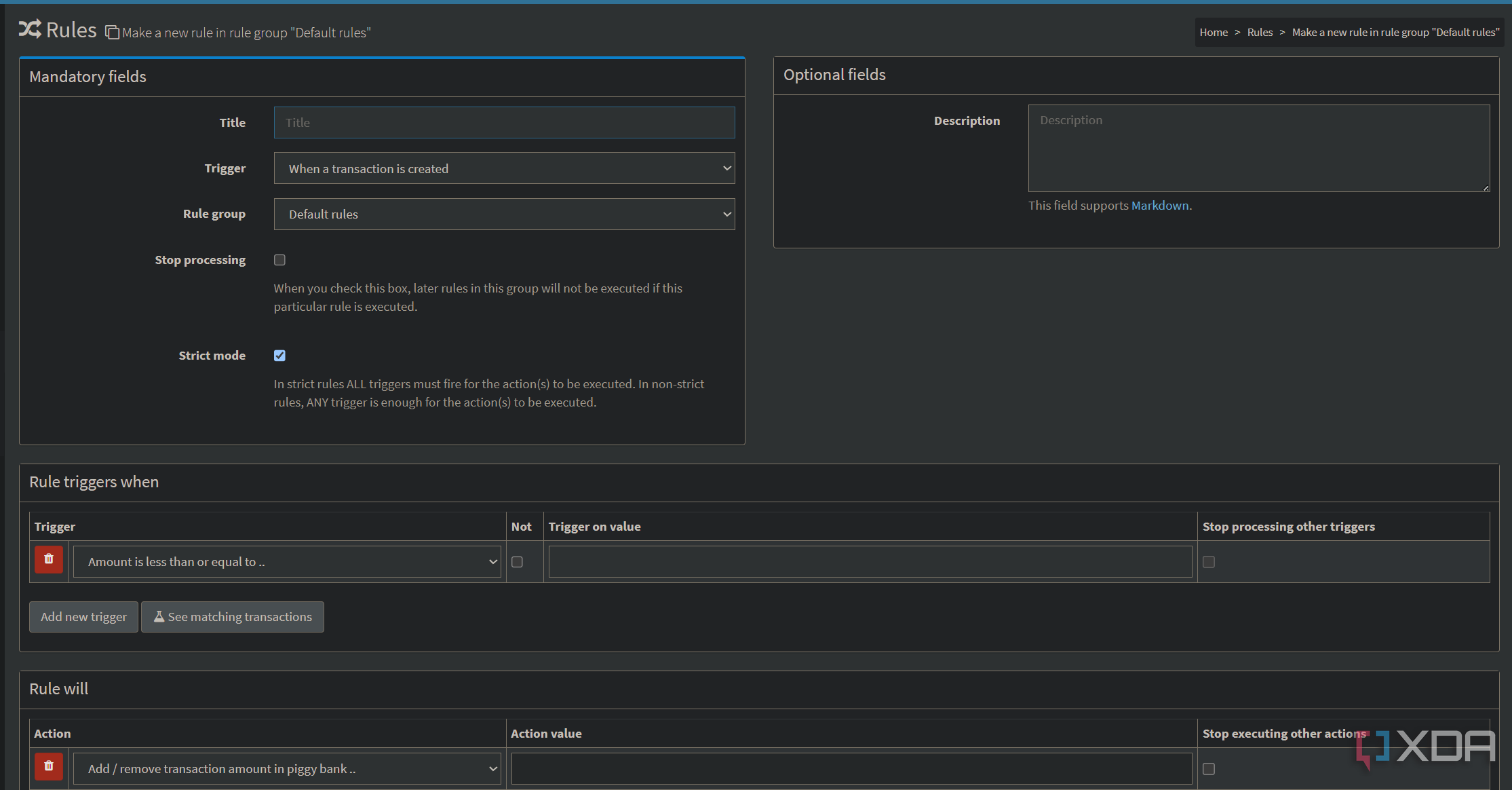
Then, in a literal sense, there are many financial-related applications that can help you save money on other tasks. Tools like Firefly III, Wallos, and VoucherVault can help with tracking your monthly expenditure and the vouchers you can use to save money, making it easier to save money overall. I may be spending on the higher-end per month on my own personal NAS, but through all of these and more, I'm definitely saving more on subscriptions and time than I would be without it.
To be clear, a NAS is not a bad investment, nor is it a bad idea even if you end up spending more per month overall than you would on cloud storage. It can be easier to make those upfront payments than have a recurring bill when buying hardware, and for ease of retrieval, it can be nice to have the ability to easily access your files locally. With that said, a NAS won't save you money on storage alone, and it's about what you do with it that absolutely can. If you put the time into making it a suitable replacement for your other services, then it'll pay in dividends over many years to come.
Comments
Post a Comment